Auto Loan Refinancing vs Debt Consolidation: What's the Difference?
Last updated: August 2026
You are making massive payments on your car, and even larger payments on your credit cards. You feel like every dollar you earn is immediately handed over to a bank, and you are exhausted from trying to keep up. You want a structural fix, but the financial jargon is confusing. Let's break down the exact difference between refinancing and consolidation so you can take the right action without risking your vehicle.
TL;DR
- Auto loan refinancing involves replacing a secured car loan with a new secured car loan at a better rate.
- Debt consolidation typically involves taking out an unsecured personal loan to pay off high-interest revolving debt, like credit cards.
- We do not originate auto refinancing; our focus is on providing structures to defeat toxic, unsecured credit card debt.
- You should rarely mix the two. Keep your secured car loan separate from your unsecured credit card consolidation strategy.
The Fundamental Difference: Secured vs. Unsecured Debt
When trying to untangle auto loan refinancing vs debt consolidation, you have to start with the fundamental nature of the debts involved. It is not just about interest rates; it is about collateral. If you don't understand the difference between secured and unsecured debt, you cannot build a safe financial structure, and you risk making a move that puts your essential assets in jeopardy. This is where many people make critical mistakes when trying to lower their monthly payments.
An auto loan is a secured debt. The bank holds the title to your car. If you stop making payments, they do not need to sue you; they simply send a tow truck in the middle of the night and repossess the vehicle. Because the bank has this massive leverage (collateral), auto loans generally have lower interest rates than credit cards. The risk to the bank is significantly lower, so the cost to borrow is lower. Your car is the hostage that keeps the rate down. It is a very direct, very physical form of leverage.
Credit card debt, however, is unsecured. If you stop paying your Visa, the bank cannot come to your house and take back the groceries or the flat-screen TV you bought. Their only recourse is to ruin your credit score, send you to collections, and eventually try to sue you to garnish wages. Because of this higher risk, credit cards carry exorbitant, toxic interest rates (often 25% or more). Understanding this difference is the absolute key to knowing which financial tool to use to fix your cash flow. You cannot treat secured and unsecured debt as if they are the same thing, because the consequences of default are entirely different.
How Auto Loan Refinancing Works
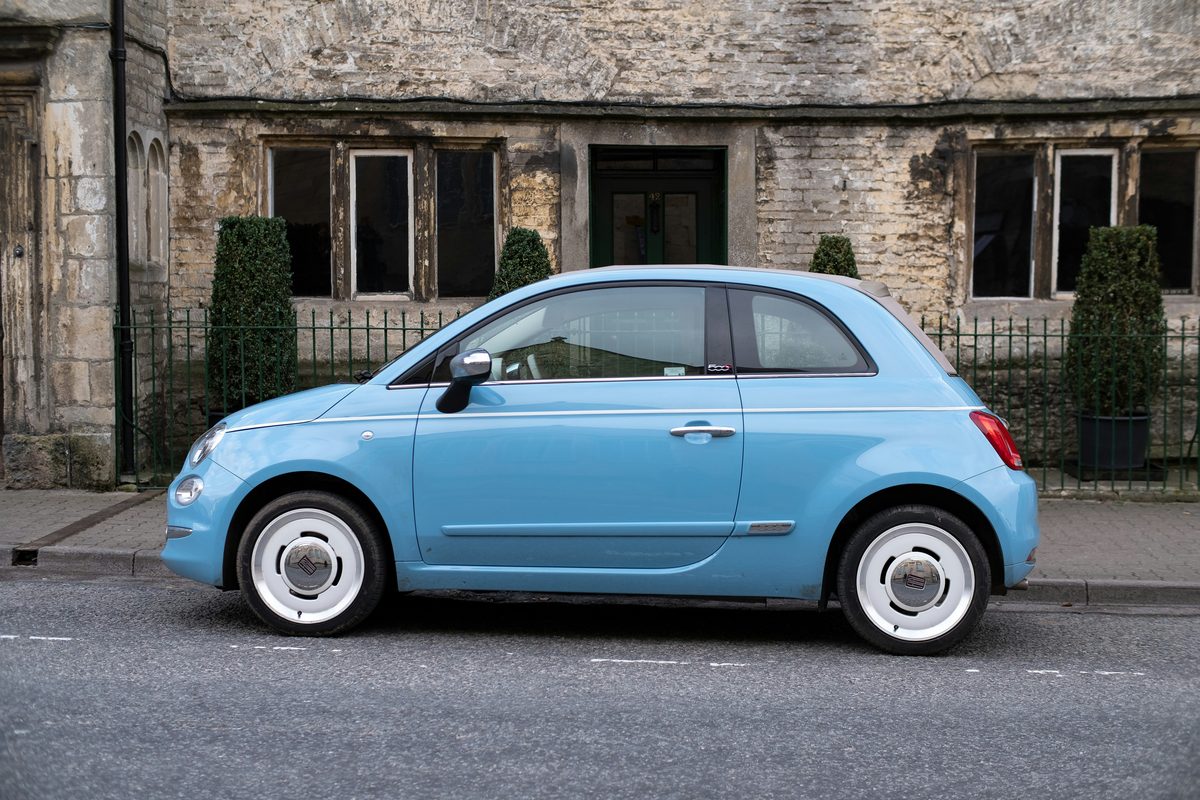
Auto loan refinancing is a very specific structural change. It means you take out a new auto loan to completely pay off your existing auto loan. You are swapping one secured loan for another secured loan. The collateral (your car) remains exactly the same. You are simply changing the mathematical terms of the agreement to make it more favorable to you, usually by lowering the interest rate or extending the timeline to reduce the monthly obligation.
People typically do this for two reasons: their credit score has improved significantly since they bought the car, allowing them to qualify for a dramatically lower interest rate, or they need to extend the term of the loan to lower their monthly payment (though this means paying more interest over the life of the loan). It is a precise tool for a precise problem. If your car payment is choking your budget and your credit has improved since you signed the original paperwork, refinancing the car is the correct structural move.
It is important to note that Lighten does not originate auto refinancing. Our expertise and our tools are focused entirely on the toxic, unsecured side of the ledger. We want you to be aware of auto refinancing as an option to lower your overall monthly burden, but our primary mission is helping you escape the crushing weight of high-interest revolving credit.
Run Your Numbers
We do not originate auto refinance loans. However, if you have high-interest credit card debt that is bleeding you dry, stop guessing and find out exactly how much a consolidation structure could save you.
See what YOU could saveHow Debt Consolidation Works
Debt consolidation, in the context of personal finance, almost always refers to taking out an unsecured personal loan to pay off other unsecured debts—specifically, high-interest credit cards. You are not putting up your car or your house as collateral. You are simply leveraging your credit history and income to secure a lump sum of cash to fix a structural problem. This is a much safer way to handle debt than risking your primary mode of transportation.
The goal here is strictly mathematical. If you have $15,000 in credit card debt at 25% APR, your minimum payments are doing nothing but feeding the bank's profit margins. The balance never moves. You are trapped in a structural failure that no amount of budgeting can fix if you only pay the minimums. You can skip every vacation for the next decade, and the math will still defeat you.
By taking out a $15,000 personal loan at, say, 12% APR, you change the structure entirely. You pay off the toxic credit cards immediately, and you are left with one fixed monthly payment that actually attacks the principal balance. You are stopping the daily compounding interest that is bleeding you dry. This is where you regain control and stop the panic. You convert revolving chaos into a predictable installment plan with a hard, guaranteed payoff date.

The Danger of Mixing the Two
A critical mistake people make when they are desperate for cash flow is trying to combine these two concepts. They might consider doing a "cash-out auto refinance" to pay off their credit cards. This means taking out a new loan against the equity in their car to pay off their Visa. This is a massive structural error that increases your personal risk immensely, and it is almost never a good idea.
When you do this, you are taking unsecured debt (the credit card) and attaching it directly to your car. If you lose your job and can't make the new, larger car payment, you don't just get a ding on your credit report—you lose your transportation to get to a new job. You have elevated the risk profile of your credit card debt from an annoyance to an existential threat.
Never convert unsecured debt into secured debt unless it is an absolute last resort to avoid bankruptcy. Keep your buckets separate. If your car loan is too expensive, refinance the car independently. If your credit cards are toxic, use an unsecured debt consolidation loan. Do not mix the streams, and do not put your vehicle at risk for a credit card bill.

Real Numbers Example: Fixing the Toxic Debt
Let's look at the math to see where your focus should be and why prioritizing unsecured debt is crucial. Imagine you have a $20,000 car loan at 7% APR, and a $10,000 credit card balance at 24.99% APR. You are feeling overwhelmed by the total amount going out each month and want to know where to attack first to get the most relief.
If you focus on the car and refinance from 7% down to 5%, you might save $20 or $30 a month. It is helpful, but it doesn't fundamentally change your financial life. The car loan was already a relatively stable, low-interest structure. It is not the source of your financial stress.
But look at the credit card. At 24.99% APR, that $10,000 balance is generating over $200 a month in pure interest. If you consolidate that $10,000 with a personal loan at 12%, you instantly cut the interest generation in half. You free up massive amounts of cash flow because you attacked the mathematically toxic debt. You turned a compounding emergency into a predictable, manageable installment.
This is why we focus on credit card consolidation. It is where the mathematical bleeding is most severe, and it is where a structural change provides the most dramatic, life-altering relief. Stop blaming your discipline, look at the math, and change the structure where it matters most. Fix the credit cards first, and the rest of your budget will breathe easier.
Frequently Asked Questions
Can I consolidate my car loan and credit cards together?
While technically possible with some large personal loans, it is usually a bad idea. Car loans typically have much lower interest rates than unsecured personal loans, so consolidating them together could actually increase the interest rate on your car debt.
Is it better to refinance a car or consolidate debt?
They solve different problems. Refinance your car if you want a lower rate on your secured vehicle loan. Consolidate your debt if you are drowning in high-interest unsecured credit card debt. Tackle the credit cards first, as they are mathematically more toxic.
Does debt consolidation use my car as collateral?
No. A standard personal debt consolidation loan is unsecured, meaning it does not use your car or home as collateral. You should avoid turning unsecured credit card debt into secured debt.
Will refinancing my car hurt my credit score?
Applying for auto refinancing will cause a small, temporary dip in your score due to the hard inquiry, similar to applying for a consolidation loan. However, the long-term impact is minimal if you make your new payments on time.
Ready to break the cycle? See what YOU could save with our calculator today.